
Debunking Myths: Is Real Estate Investment in Texas Right for You?


Understanding the Basics
When it comes to real estate investment in Texas, numerous myths can cloud your judgment. One common belief is that it's only suitable for the wealthy. However, understanding the basics can help you make informed decisions. Texas offers diverse opportunities, from bustling urban areas to serene rural landscapes, suitable for various investment strategies.
Real estate investment can be a pathway to financial growth, but it requires careful planning and research. Whether you're a first-time investor or an experienced one, Texas's market offers something for everyone.
Myth: The Market is Oversaturated
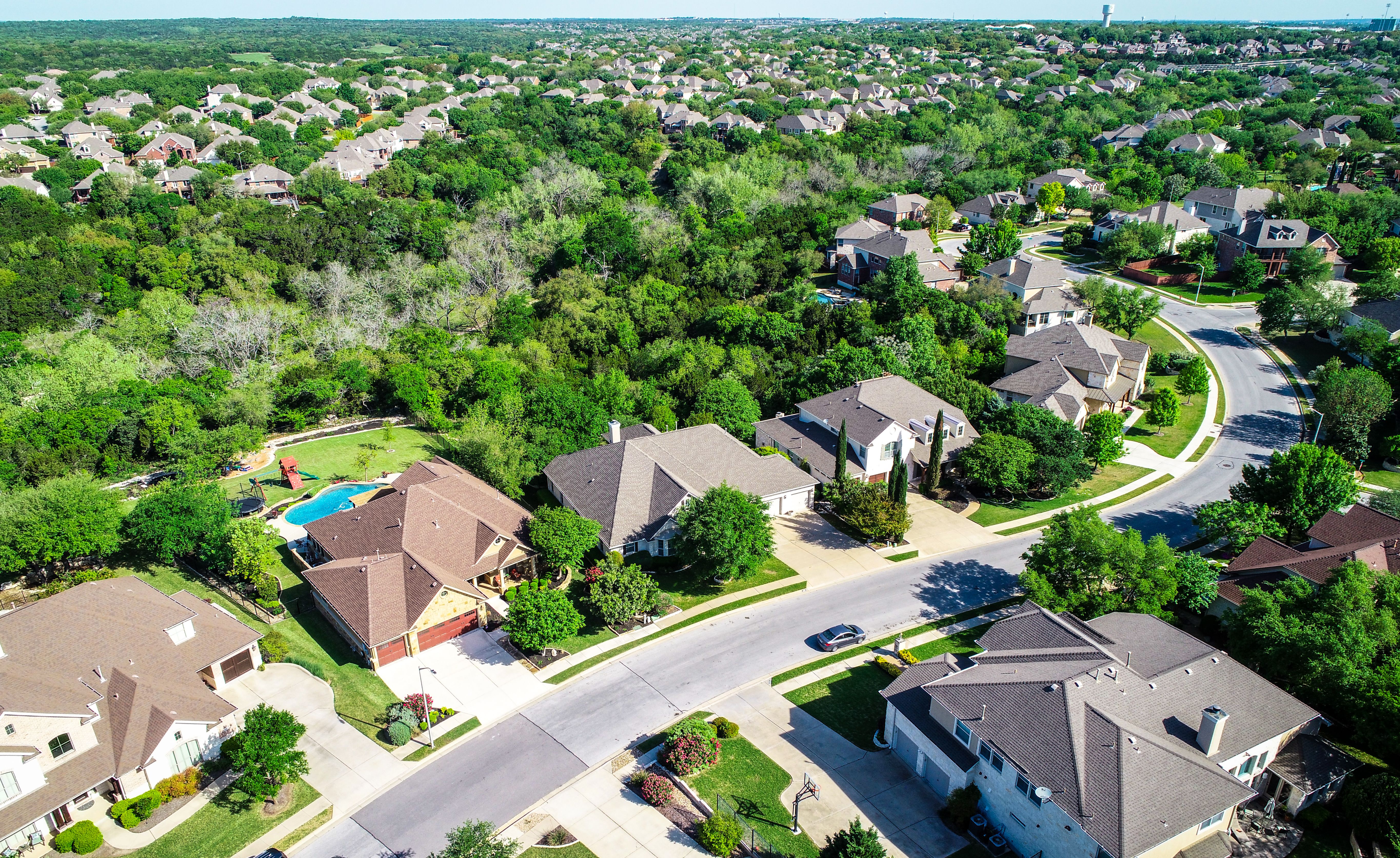
A widespread myth is that the Texas real estate market is oversaturated. While it's true that competition exists, the state's growing population and economy create continual demand. Cities like Austin, Dallas, and Houston are expanding, providing ample opportunities for investors.
Analyzing market trends and focusing on emerging neighborhoods can lead to profitable investments. It's essential to stay updated on local developments and economic factors affecting the housing market.
Myth: Only Big Cities Matter
Another misconception is that only investments in big cities are worthwhile. While major cities offer robust opportunities, smaller towns and suburbs can also be lucrative. Areas like Round Rock and Plano are experiencing growth, attracting both residents and businesses.

Investing in these regions can yield substantial returns, especially as people seek more affordable housing options outside metropolitan areas. Understanding local dynamics and infrastructure developments can guide your investment decisions.
Evaluating Risks and Rewards
Real estate investment is not without risks, but understanding them can aid in mitigating potential issues. Factors such as market fluctuations, property taxes, and maintenance costs need to be considered.
- Market Fluctuations: Keep an eye on economic indicators.
- Property Taxes: Texas has no state income tax, but property taxes can be high.
- Maintenance Costs: Regular upkeep is necessary to maintain property value.
By evaluating these aspects, you can make informed decisions that align with your financial goals.

Getting Started in Texas Real Estate
For those new to real estate investment, Texas offers several entry points. Begin by identifying your investment goals and budget. Whether you’re interested in residential properties, commercial spaces, or land, there’s an option for every investor.
Consider partnering with local real estate agents or investment groups to gain insights and access to exclusive opportunities. Networking and leveraging local expertise can be invaluable in navigating the Texas market.
Conclusion: Is It Right for You?
Ultimately, real estate investment in Texas can be a rewarding venture if approached with the right mindset and resources. Debunking these myths allows you to see the true potential of the market. By conducting thorough research and seeking professional guidance, you can make strategic investments that align with your financial objectives.
Whether you're drawn to the urban appeal of major cities or the growth potential in smaller towns, Texas offers a landscape ripe with opportunities for savvy investors.